Washington businesses face a reality most of the country doesn’t: your backup generator isn’t optional — it’s a lifeline. Whether you’re running a hospital, data center, cold storage facility, construction trailer, or office complex, a generator that fails during a severe storm or severe storm event can mean lost inventory, spoiled product, halted operations, and serious liability.
The good news is that most generator failures are preventable. Here’s what every Washington business owner should know before storm season arrives.
Start with the Basics: Oil and Filters
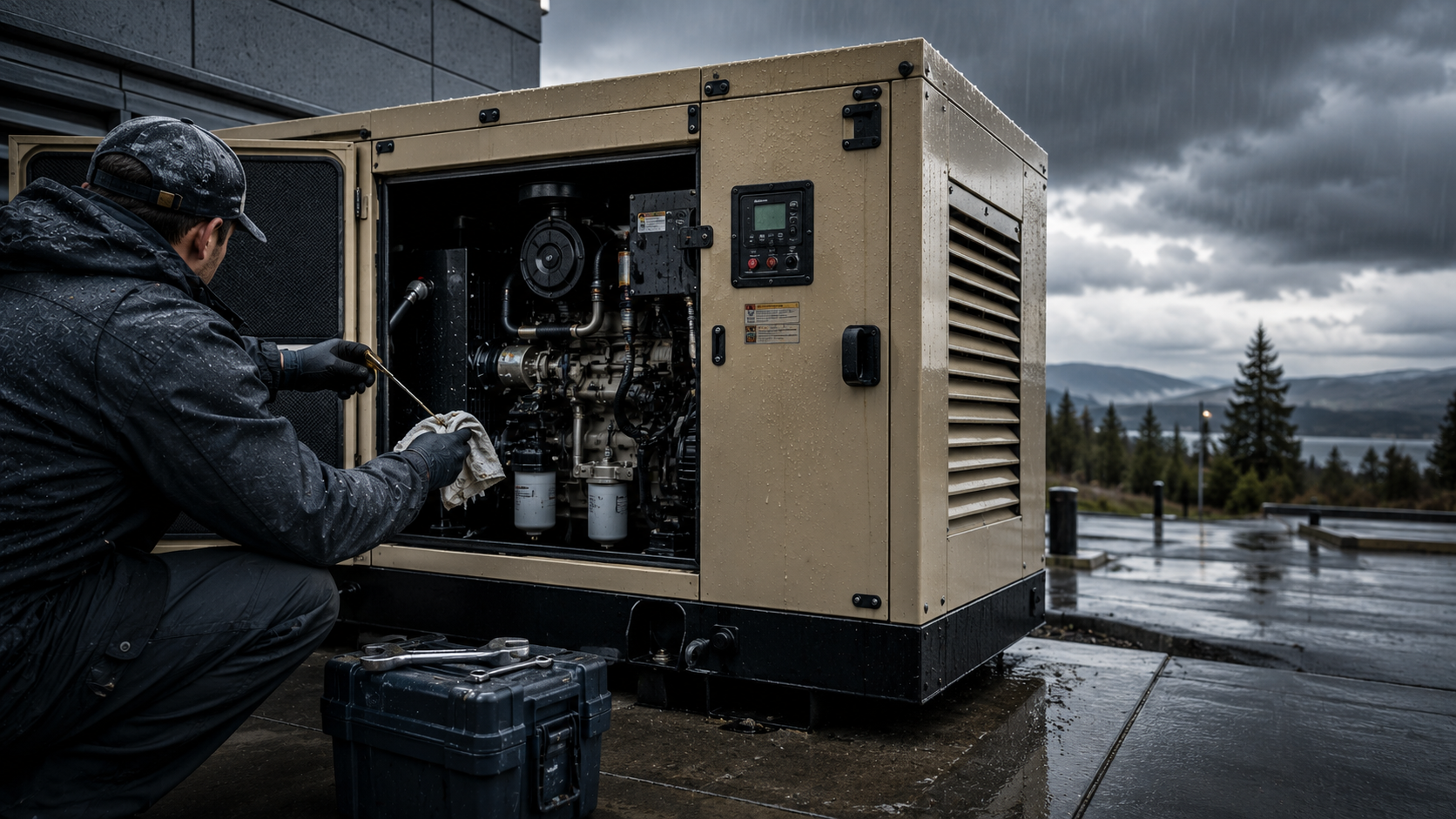
Engine oil is the first thing to check. On a cool engine, verify the oil is at the correct level and that it looks clean — dark, gritty oil should be changed immediately. For most diesel standby generators, a heavy-duty multigrade oil meeting API CI-4 or CJ-4 standards is appropriate, but always verify with your manufacturer’s specifications. Oil and oil filters should be replaced at least annually for low-use standby generators, or every 250–500 hours for frequently run units.
Air filters are equally important. Clogged air filtration reduces combustion efficiency and causes the engine to run rich, increasing fuel consumption and carbon buildup. Replace them per manufacturer recommendations — or more frequently if your generator is located in a dusty or construction environment.
The Battery Is Your Generator’s Weak Link
Most generator failures during actual emergencies trace back to a dead or weak battery. Batteries degrade in Washington’s heat faster than anywhere else in the country. Before storm season, clean battery terminals to prevent corrosion buildup, load-test the battery to verify it can deliver adequate starting voltage, and check specific gravity — readings below 1.215 mean the battery needs charging or replacement. Don’t wait until you need the generator to discover the battery is dead.
Fuel System and Storage Considerations
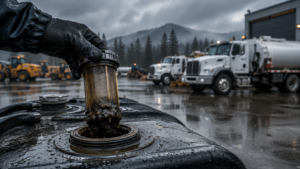
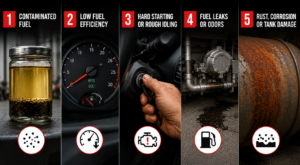
Standby generators often sit with fuel in their tank for months between uses. Diesel fuel that sits in hot conditions will begin to degrade — particularly in Washington where tank temperatures can exceed 110°F. Fuel degradation reduces BTU content and increases the risk of injector deposits and starting problems.
Best practice is to add a quality fuel stabilizer and biocide to tanks that won’t be turned over regularly, drain and replace fuel that is more than 12 months old, and run your generator under full load for at least 30 minutes monthly. This monthly exercise test is critical — it lubricates seals, burns off moisture, and confirms the unit will start when it matters.
Exhaust and Cooling System Checks
Inspect all exhaust connections for leaks and verify that the exhaust outlet is clear and unobstructed — debris from storm prep can block vents. Check coolant levels (should be three-quarters of an inch below the cap on a cold system) and inspect belts for cracking or wear. Replace belts proactively; a broken belt during a storm event means your generator stops running and you have no recourse until conditions allow for service.
Keep the Fuel Coming When You Need It Most
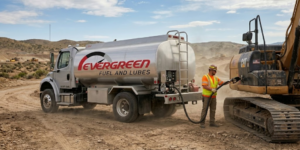
Even a well-maintained generator is only as reliable as its fuel supply. Evergreen Fuel & Lubes provides priority emergency fuel delivery to generator accounts throughout Western Washington during storm events. If you want the peace of mind that comes with guaranteed fuel availability before, during, and after a storm, ask about our generator fuel delivery programs — including on-site tank rental so you always have a strategic reserve on hand.
Learn more about our generator fuel delivery service or contact us to discuss a standby fuel plan for your facility.